
October 2026
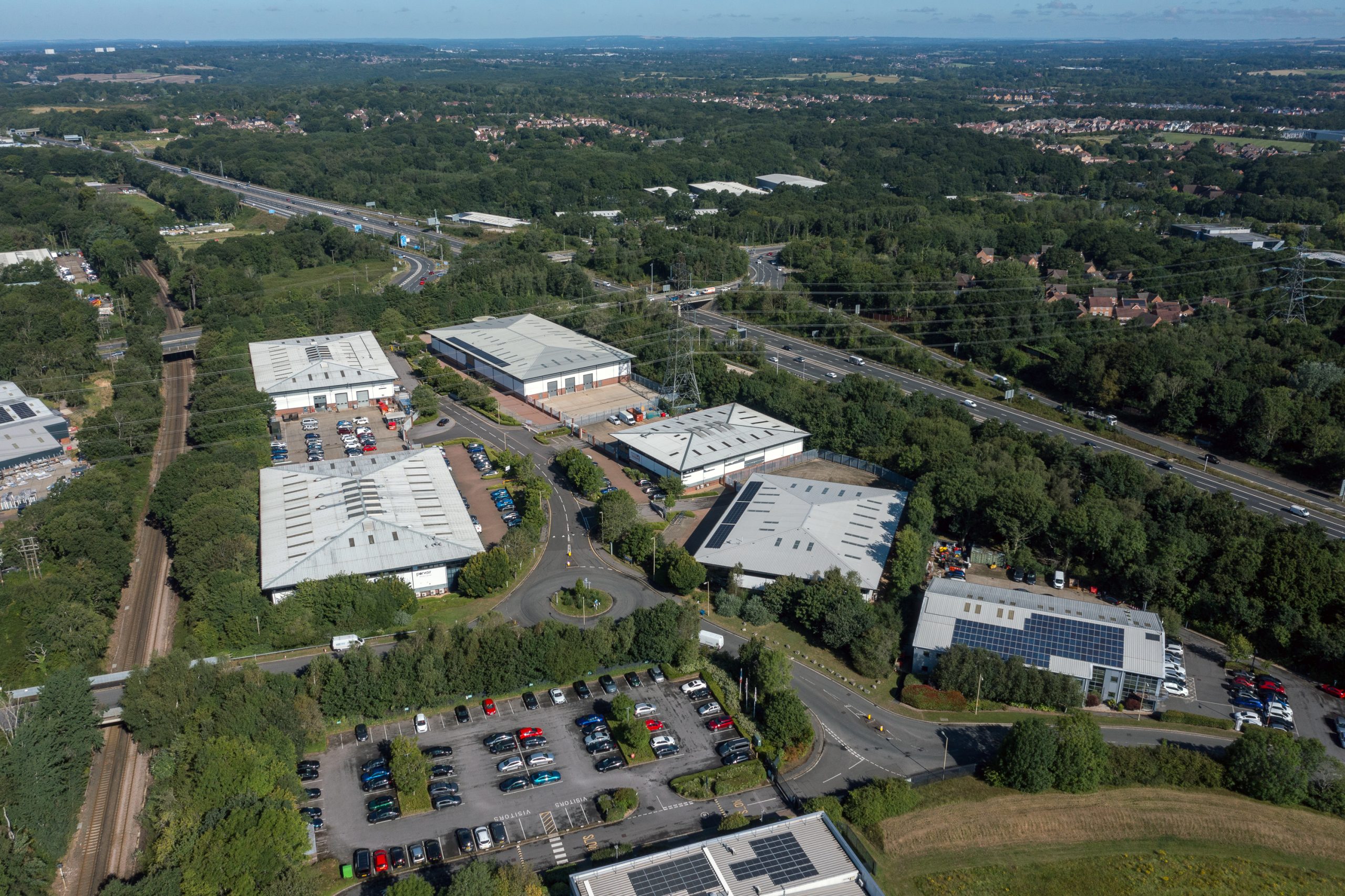
October 2026 | Solent, M27 & Southampton
The South Coast industrial market remains resilient. While occupiers are taking longer to make decisions than during the post-pandemic boom, demand for good-quality industrial space remains strong. The biggest challenge is still a lack of modern, energy-efficient buildings in established locations.
For landlords, this is supporting rental levels. For occupiers, it means that finding the right space can take time.
The wider economy remains mixed. UK inflation rose to 3.5% in September 2026, while Bank Rate remains at 3.75%. UK GDP growth for 2026 is forecast at around 1.4%. Higher interest rates and development costs continue to affect both businesses and property owners.
For occupiers, the focus is increasingly on the total cost of occupation. Rent remains important, but so are energy efficiency, maintenance costs, power availability and the flexibility of the lease.
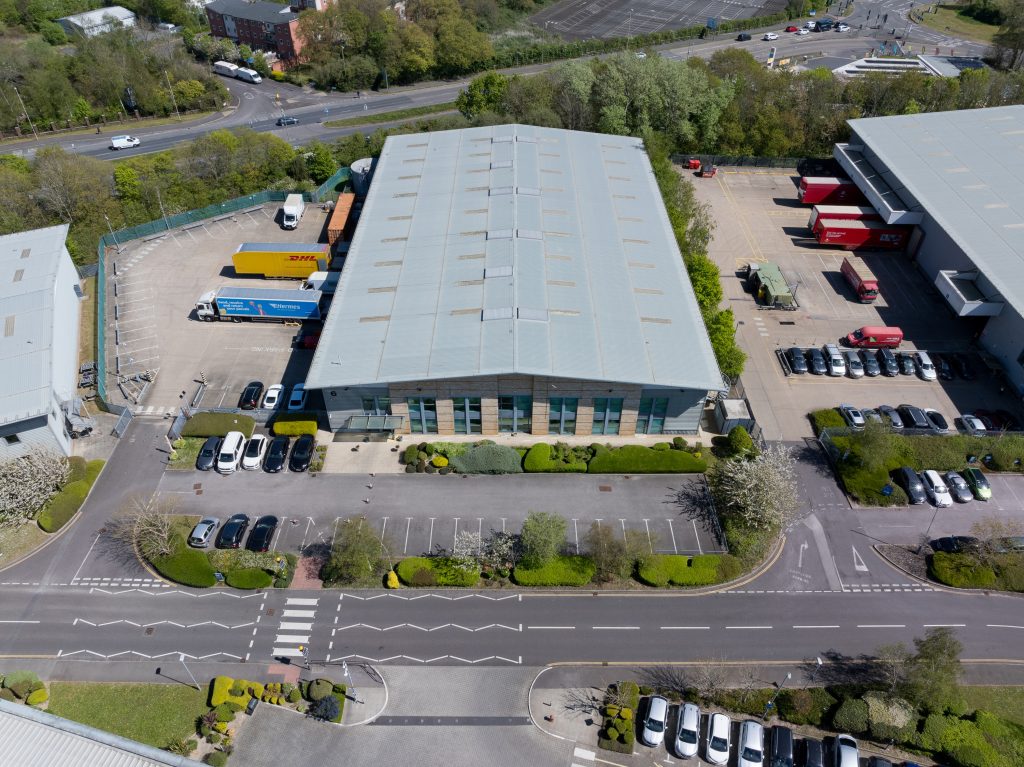
There is a clear preference for modern and well-specified industrial buildings.
Occupiers are increasingly looking for:
Buildings that meet these requirements are attracting the strongest demand. Older secondary properties can still compete, particularly where they have a good location and competitive rent. However, buildings with poor energy performance, low eaves or restricted yards are likely to have a smaller pool of potential occupiers.
This flight to quality is consistent with HLP’s wider analysis of the industrial property market in 2026, which found that demand for high-quality space across the M27 corridor remains robust.
There continues to be a shortage of good-quality industrial accommodation across the Solent and M27 corridor.
This is particularly noticeable in established industrial locations around Southampton and Portsmouth, where demand for modern space continues to outstrip available supply.
That shortage is helping to support rents. Occupiers may be more cautious than they were a few years ago, but when a well-located, high-quality unit becomes available, there is still strong interest.
It is not just new-build properties that are attracting occupiers.
High-quality refurbished buildings are increasingly competing with new schemes, particularly where refurbishment has improved the overall specification.
Recent deals provide a good illustration of current rental levels:
The evidence shows that occupiers will pay a premium for the right combination of location, specification and operational efficiency.
For landlords with older buildings, this creates an opportunity. A comprehensive refurbishment can potentially bring an existing property much closer to the standard of new-build accommodation – without the need for a completely new development.
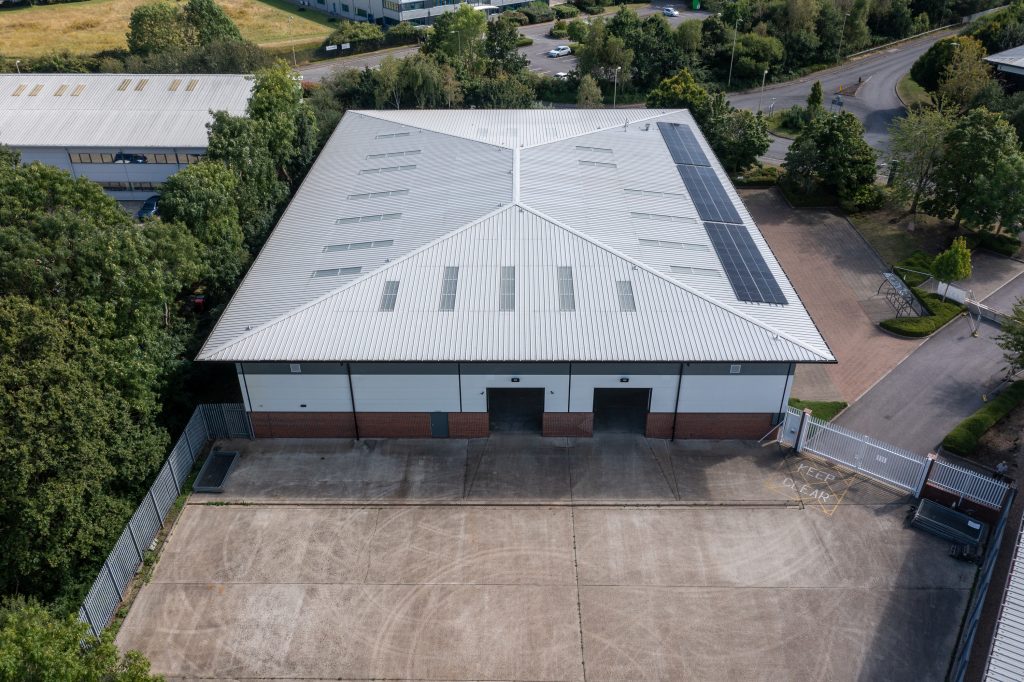
The market has changed from the rapid expansion seen during the pandemic and its aftermath. Today, most requirements are being driven by a specific business need.
This might be:
As a result, occupiers are spending more time assessing their options. They are also looking more closely at lease terms. Break options, appropriate lease lengths and incentives can all help businesses manage uncertainty.
The South Coast benefits from a broad range of industrial occupiers. The Solent is home to businesses across defence, aerospace, automotive, advanced manufacturing, maritime and research-led sectors, alongside logistics and distribution.
Manufacturing remains particularly important along the A3(M)/M27 corridor, while Southampton continues to benefit from its position as a major port and logistics location. This diversity provides an important level of resilience to the market.
For landlords, the message is straightforward: quality matters. A property does not necessarily have to be new to compete successfully. However, owners of older buildings should consider whether investment is needed to keep them competitive.
Energy performance, power, loading, yards, office accommodation and general presentation can all influence how attractive a building is to today’s occupiers.
In a market where the supply of good-quality space remains limited, getting the specification right can make a significant difference to rental value and letting prospects.
For occupiers, early planning is important. Businesses with an upcoming lease expiry or expansion requirement should start reviewing their options well in advance.
The best buildings remain relatively scarce, and waiting until a requirement becomes urgent can leave fewer options available. It is also important to look beyond the headline rent.
A more efficient building may have a higher rent but deliver better value through lower energy costs, reduced maintenance and improved operational efficiency.
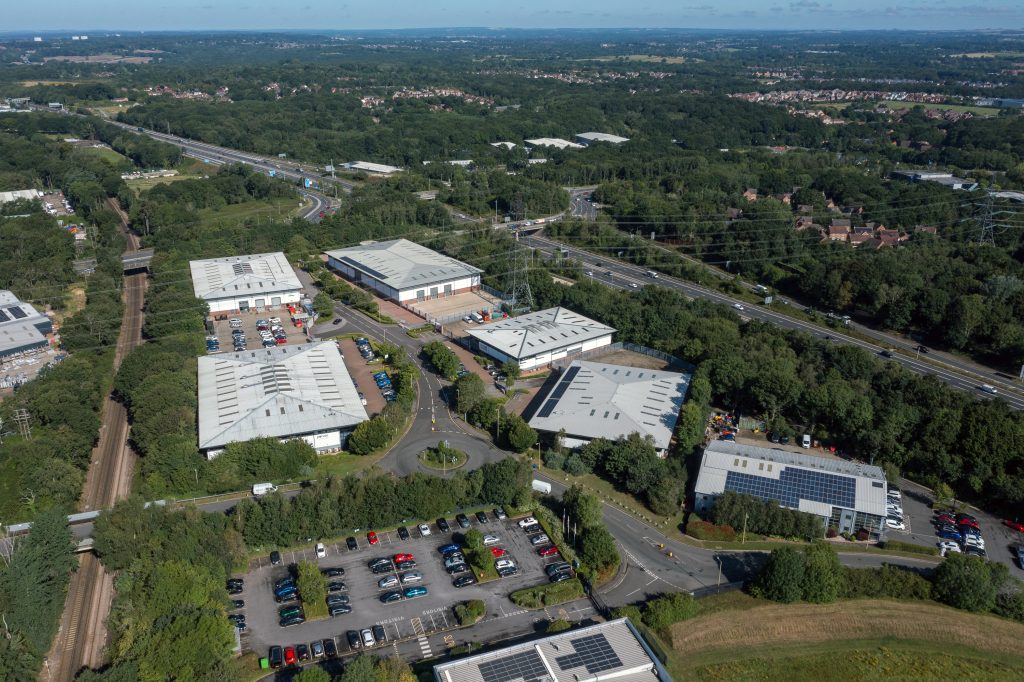
The South Coast industrial market is expected to remain resilient, with the strongest demand focused on modern and high-quality refurbished space in established Solent and M27 locations.
Limited supply should continue to support rents, although occupiers are likely to remain selective and cost-conscious.
For landlords, maintaining the competitiveness of secondary buildings through refurbishment, pricing or flexible lease terms will be increasingly important.
Overall, quality remains the key driver of demand.
At Hellier Langston, we continue to see strong interest in well-located industrial and warehouse space across the South Coast, with quality, specification and flexibility increasingly shaping occupier decisions.
Discuss how we can support you with expert guidance on your lease situation.
Contact us